BLACK SIGNAL SURVEILLANCE INSTITUTE
ARCHIVAL REPOSITORY / HISTORICAL DEMONOLOGY TEXTS / BIBLIOGRAPHIC INDEX SYSTEM
SYSTEM BOOT: archival mode initialized
⟡
ARCHIVE ENTRY 0018 — SEPIA STAINS TAROT
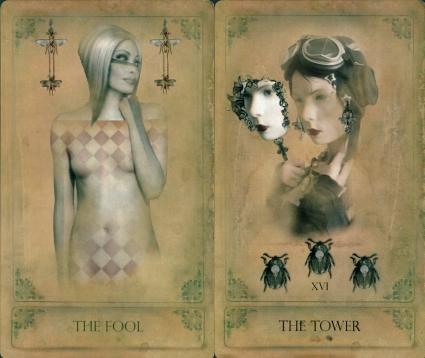
The Sepia Stains Tarot is a contemporary tarot deck created by the American artist Bethalynne
Bajema. The work is distinguished by its digitally constructed collage aesthetic, combining
found imagery, layered textures, antique visual references, and symbolic composition into a
deliberately aged sepia-toned visual language. Its imagery creates an atmosphere of historical
fragments, mystery, decay, and esoteric transformation through the juxtaposition of disparate
visual materials.
Rather than functioning as a reconstruction of a specific historical tarot tradition, the Sepia
Stains Tarot belongs to the modern tradition of artist-created tarot. Its digital collage medium
allows photographic, illustrative, ornamental, and archival elements to be recombined into new
symbolic arrangements. The resulting deck occupies a space between contemporary digital art,
collage, historical visual culture, and tarot practice, using the appearance of aged materials
as part of its symbolic vocabulary.
CONTEMPORARY TAROT INDEX
DIGITAL COLLAGE WORK — BETHALYNNE BAJEMA
TYPE
CONTEMPORARY TAROT DECK
ARTIST
BETHALYNNE BAJEMA
MEDIUM
DIGITAL COLLAGE
STYLE
SEPIA / ARCHIVAL / COLLAGE
STATUS
MODERN ART DECK
CLASSIFICATION
TAROT DOSSIER FILE
NOTE: The Sepia Stains Tarot is catalogued as a contemporary digital collage tarot system
distinguished by its aged visual treatment, layered imagery, and symbolic recombination of
historical and fantastical elements. The archive classifies the deck as a modern interpretive
work in which digital collage functions as both artistic medium and visual language.

JAPANESE CULTURAL INDEX
HISTORICAL ARCHIVE — MUROMACHI PERIOD
JIGOKU DAYŪ
地獄太夫
Jigoku Dayū occupies one of the most distinctive positions within Japanese Zen folklore. Known as the Hell Courtesan, she became a symbol of confronting impermanence rather than fleeing it. Her legend survives through painting, literature, and Zen tradition, where worldly existence itself becomes the setting for awakening.
Translation
Hell Courtesan
Tradition
Zen Folklore
Associated Master
Ikkyū Sōjun
Period
Muromachi Tradition
Historical Status
Legendary Figure
Primary Sources
Zen Literature
Cultural Legacy
Painting
Symbol
Impermanence
ARCHIVAL NOTE
Although preserved through legend rather than documented biography, Jigoku Dayū remains one of the most recognizable women in Japanese religious art. Later painters repeatedly depicted her dialogue with Ikkyū as an encounter between worldly existence and Zen realization.
.jpg)
JAPANESE CULTURAL INDEX
ICONOGRAPHIC STUDY
THE ROBE OF HELL
BUDDHIST COSMOLOGY
The robe associated with Jigoku Dayū is embroidered with scenes drawn from Buddhist cosmology. Flames, demons, skeletons, the courts of King Enma, and the infernal realms transform the garment into a visual manuscript. Rather than functioning as ornament, the robe presents suffering as knowledge and impermanence as the foundation of spiritual inquiry.
Medium
Silk Embroidery
Subject
Infernal Realms
Authority
King Enma
Motifs
Flames and Skeletons
Philosophy
Impermanence
Visual Language
Narrative Textile
Religious Context
Buddhist Cosmology
Function
Contemplative Symbol
CURATORIAL NOTE
Across Japanese painting, the robe becomes more than clothing. It operates as a portable cosmology in which the imagery of hell serves as a reminder that enlightenment is sought through direct awareness of existence rather than separation from it.
CONTEMPORARY OCCULT INDEX
RITUAL OBJECT — WARA NINGYŌ (藁人形)

CLASSIFICATION
Ritual Effigy
ORIGIN
Japanese Folk Tradition
KANJI
藁人形
TRANSLATION
Straw Doll
MATERIAL
Bound Rice Straw
ASSOCIATED RITE
Ushi no Toki Mairi (Hour of the Ox Shrine Ritual)
PRIMARY FUNCTION
Symbolic Human Surrogate
SYMBOLISM
Identity Substitution, Curse Transference, Ritual Correspondence
HISTORICAL PERIOD
Edo Period Documentation, Earlier Folk Origins
STATUS
Documented Ritual Object
The wara ningyō is a hand bound effigy constructed from rice straw and used as a symbolic stand in for an individual within Japanese folk ritual. Most closely associated with the Ushi no Toki Mairi tradition, the figure functions as a ritual surrogate through which intention is symbolically directed. Beyond its popular association with curse rites, the object represents a broader tradition of substitution, ritual correspondence, and embodied identity within Japanese religious and folkloric practice.
ARCHIVE ENTRY 0015 — SERENITY ARCANA
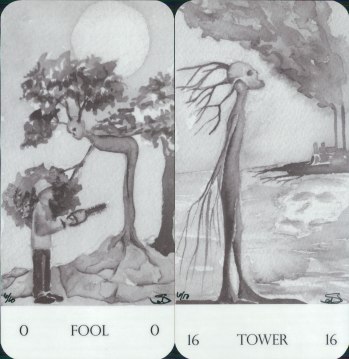
The Serenity Arcana is a contemporary tarot-inspired deck created by illustrator Beth Seilonen.
The work is distinguished by its ethereal visual language, blending soft luminosity, flowing
composition, and delicate figurative symbolism. Its imagery frequently centers on themes of
calm transformation, emotional clarity, and liminal introspection, rendered through a refined
palette of muted tones and atmospheric light.
Rather than adhering strictly to classical tarot iconography, the Serenity Arcana reinterprets
archetypal structures through a more intuitive and dreamlike framework. Traditional figures and
motifs are softened into symbolic impressions, emphasizing mood, resonance, and psychological
narrative over rigid esoteric correspondence systems. The result is a deck that operates as both
a contemplative art object and a modern interpretive oracle system.
CONTEMPORARY TAROT INDEX
ARTIST PUBLICATION — BETH SEILONEN
TYPE
CONTEMPORARY ORACLE / TAROT DECK
ARTIST
BETH SEILONEN
ORIGIN
INTERNATIONAL
STYLE
ETHEREAL / ATMOSPHERIC / SOFT-PALETTE
STATUS
MODERN ORACLE WORK
CLASSIFICATION
TAROT DOSSIER FILE
NOTE: The Serenity Arcana is catalogued as a contemporary interpretive deck emphasizing emotional
resonance and atmospheric symbolism. The archive classifies the work as a modern oracle system
that prioritizes intuitive reading, visual softness, and contemplative narrative structure over
strict adherence to traditional tarot archetypes.
ARCHIVE ENTRY 0014 — SILVER TAROT
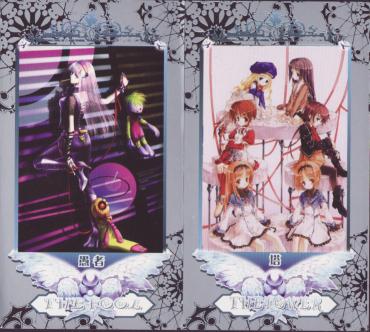
The Silver Tarot is a contemporary tarot deck created by the Japanese illustrator Sumi Keiichi.
The work is recognized for its highly refined monochromatic aesthetic, combining intricate line
work, ornamental detail, and symbolic composition within a restrained silver-toned visual language.
Its imagery evokes themes of mystery, introspection, and archetypal transformation through a
carefully balanced fusion of fantasy illustration and esoteric symbolism.
Unlike historical tarot systems preserved through manuscript or print traditions, the Silver Tarot
belongs to the modern era of independent tarot artistry. The deck reinterprets familiar tarot
archetypes through elegant decorative forms, emphasizing atmosphere and visual symbolism over
adherence to any single historical occult lineage. The resulting body of work occupies a space
between contemporary illustration, symbolic art, and tarot practice.
CONTEMPORARY TAROT INDEX
ARTIST PUBLICATION — SUMI KEIICHI (JAPAN)
TYPE
CONTEMPORARY TAROT DECK
ARTIST
SUMI KEIICHI
ORIGIN
JAPAN
STYLE
MONOCHROMATIC / ORNAMENTAL
STATUS
MODERN ART DECK
CLASSIFICATION
TAROT DOSSIER FILE
NOTE: The Silver Tarot is catalogued as a contemporary artistic tarot system distinguished by
its detailed monochrome aesthetic and decorative symbolic imagery. The archive classifies the
deck as a modern interpretive work that emphasizes visual elegance, archetypal symbolism, and
atmospheric illustration rather than historical tarot reconstruction.
ARCHIVE ENTRY 0013 — SINGING SERPENT TAROT
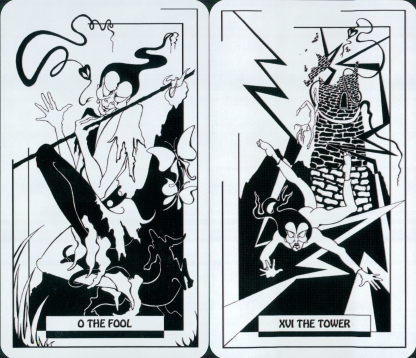
The Singing Serpent Tarot is a contemporary tarot publication distinguished by its symbolic
synthesis of serpentine imagery, visionary illustration, and esoteric archetypal themes.
The deck draws upon the serpent as a recurring emblem of transformation, hidden knowledge,
cyclical renewal, and the transmission of wisdom across mythological and occult traditions.
Within the archive, the deck is catalogued as a modern artistic tarot system whose visual
language emphasizes symbolic narrative rather than strict adherence to historical tarot
reconstruction. The imagery combines mystical motifs, dreamlike composition, and archetypal
figures to create an atmosphere suggestive of initiation, metamorphosis, and inner revelation.
CONTEMPORARY TAROT INDEX
SYMBOLIC SERPENT ARCHETYPE — MODERN TAROT PUBLICATION
TYPE
CONTEMPORARY TAROT DECK
THEME
SERPENT SYMBOLISM
STYLE
VISIONARY / ESOTERIC ART
MOTIFS
TRANSFORMATION & REBIRTH
STATUS
MODERN ART DECK
CLASSIFICATION
TAROT DOSSIER FILE
NOTE: The Singing Serpent Tarot is catalogued as a contemporary symbolic tarot system.
Its visual identity centers upon the serpent archetype, a figure historically associated
with wisdom, initiation, regeneration, and occult knowledge. The archive treats the deck
as a modern interpretive work rather than a historical reconstruction of earlier tarot
traditions.
ARCHIVE ENTRY 0012 — EXPEDITION TO THE MITHRAEUM OF SANTA PRISCA
The Mithraeum of Santa Prisca is an underground Roman temple dedicated to the mystery cult of
Mithras, located beneath the Basilica of Santa Prisca on Rome's Aventine Hill. Archaeological
investigations conducted during the twentieth century revealed a remarkably preserved ceremonial
complex concealed beneath later Christian construction.
Excavators uncovered ritual chambers, inscriptions, fresco fragments, and evidence of ceremonial
activity associated with Mithraism, one of the most enigmatic religious traditions of the Roman
Empire. Membership within the cult was restricted to initiates, and surviving historical records
concerning its rites remain fragmentary. As a result, archaeological discoveries from the site
became essential sources for reconstructing aspects of Mithraic belief and practice.
ARCHAEOLOGICAL EXPEDITION DOSSIER
ROME — SUBTERRANEAN CULT SITE RECOVERY
DATE
1934–1935
LOCATION
AVENTINE HILL, ROME
TYPE
ARCHAEOLOGICAL EXPEDITION
SUBJECT
MITHRAIC MYSTERY CULT
DISCOVERY
UNDERGROUND TEMPLE
CLASSIFICATION
OCCULT HISTORY DOSSIER FILE
The excavations revealed a ceremonial sanctuary constructed to resemble a sacred cave, a defining
architectural feature of Mithraic worship. Decorative frescoes recovered from the structure
included references to initiation grades, ritual feasting, and symbolic journeys through cosmic
hierarchies associated with Mithraic doctrine. Several inscriptions identified ranks held by
initiates within the cult, providing rare evidence for the internal organization of the community.
Mithraism flourished throughout the Roman Empire between the first and fourth centuries CE,
attracting soldiers, merchants, administrators, and other members of Roman society. Unlike public
civic religions, Mithraic ceremonies were conducted within enclosed sanctuaries accessible only
to initiates. This secrecy has contributed substantially to modern fascination with the cult and
has left many aspects of its beliefs open to scholarly interpretation.
The Santa Prisca expedition remains one of the most significant investigations of a Mithraic
sanctuary ever undertaken. Archaeologists documented architectural features, ritual spaces, and
painted iconography that helped establish comparative frameworks for the study of Mithraea
discovered elsewhere throughout Europe, North Africa, and the Near East.
NOTE: The archive catalogs the Santa Prisca expedition as a major recovery event in the study of
ancient esoteric traditions. While modern historians interpret the site through archaeological and
religious scholarship, the underground temple continues to be associated with themes of hidden
knowledge, initiation, symbolic transformation, and the secret ceremonial life of the Roman world.
ARCHIVE ENTRY 0011 — STITCH RABBIT TAROT
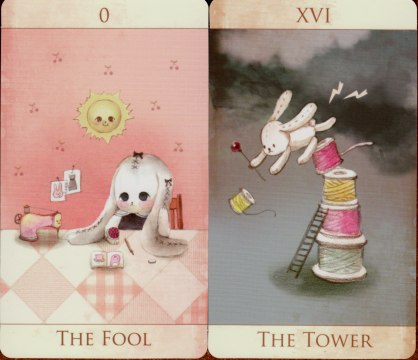
The Stitch Rabbit Tarot is a contemporary esoteric tarot deck attributed to the artist i-neu.
The work is characterized by soft surreal iconography centered on rabbit figures and textile-like
visual motifs, evoking themes of mending, fragmentation, and symbolic reconstruction through
handcrafted aesthetic language.
Positioned within modern independent tarot illustration practices, the deck blends dreamlike
character design with a tactile, stitched visual sensibility. Its imagery suggests a liminal
narrative structure where familiar archetypes are reinterpreted through fabric, thread, and
collage-inspired composition rather than traditional occult illustration frameworks.
CONTEMPORARY TAROT INDEX
ARTIST PUBLICATION — I-NEU
TYPE
CONTEMPORARY TAROT DECK
ARTIST
I-NEU
ORIGIN
CONTEMPORARY / INDEPENDENT
STYLE
TEXTILE / SURREAL ICONOGRAPHY
STATUS
MODERN ART DECK
CLASSIFICATION
TAROT DOSSIER FILE
NOTE: The Stitch Rabbit Tarot is catalogued as a contemporary illustrative tarot system
emphasizing textile aesthetics and symbolic fragmentation. The archive treats it as a modern
interpretive deck rather than a historically derived occult reconstruction.
ARCHIVE ENTRY 0010 — LUMEN DE LUMINE
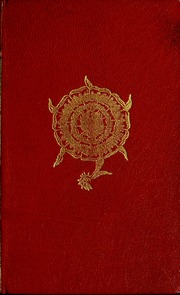
Lumen de Lumine (“Light from Light”) is a hermetic title traditionally associated with
alchemical and metaphysical writings concerning emanation, divine illumination, and the
unfolding of hidden knowledge through progressive stages of inner revelation.
Within the archive, it is treated as a symbolic text rather than a single fixed historical edition.
Interpretations of the phrase span multiple esoteric traditions, where “light” functions as both
a metaphysical principle and a structural metaphor for consciousness, creation, and transformation.
The entry is catalogued as part of a broader lineage of allegorical works concerned with
ascent, purification, and the transmission of concealed wisdom.
HERMETIC TEXT INDEX
SYMBOLIC ALCHEMICAL TREATISE — LIGHT EMANATION DOCTRINE
TYPE
HERMETIC / ALCHEMICAL TEXT
ATTRIBUTION
THOMAS VAUGHAN (EUGENIUS PHILALETHES)
THEME
EMANATION OF LIGHT
STATUS
PUBLIC DOMAIN DIGITAL FACSIMILE
FORMAT
ALLEGORICAL TREATISE
CLASSIFICATION
MYSTICAL DOSSIER FILE
NOTE: This entry references the digitized Internet Archive facsimile of Thomas Vaughan’s
1651 alchemical work. The linked edition preserves scanned pages of the original publication
and is provided as a complete historical reference copy.
ARCHIVE ENTRY 0009 — TRIAL OF THE KNIGHTS TEMPLAR
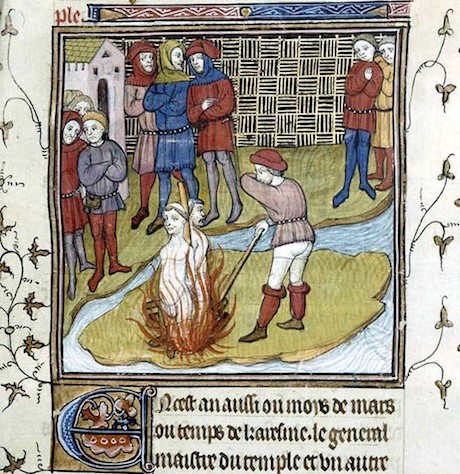
The Trial of the Knights Templar was a judicial and ecclesiastical proceeding initiated in 1307
following the mass arrest of members of the Knights Templar by King Philip IV of France. The order,
originally established during the Crusades as a military and religious institution, was accused of
heresy, idolatry, blasphemy, and participation in secret initiation rites alleged to have occurred
within the organization.
Investigations and interrogations were conducted across multiple territories, with numerous
confessions obtained under coercive conditions. Allegations included the denial of Christ,
ritualized acts during initiation ceremonies, and the veneration of unidentified symbolic figures.
Despite extensive proceedings, material evidence supporting many of the accusations remained
disputed. The trials ultimately resulted in the dissolution of the order by Pope Clement V in 1312.
HISTORICAL TRIBUNAL DOSSIER
FRANCE — 1307–1314
DATE
1307–1314
LOCATION
KINGDOM OF FRANCE
TYPE
ECCLESIASTICAL TRIAL
ORDER
KNIGHTS TEMPLAR
PRIMARY ACTOR
PHILIP IV
STATUS
ORDER DISSOLVED
NOTE: The proceedings became one of the most influential judicial actions of the medieval period.
While modern scholarship generally interprets the accusations through political, financial, and
institutional contexts, the trial contributed substantially to later legends concerning hidden
Templar knowledge, secret rites, occult traditions, and esoteric successor organizations.
ARCHIVE ENTRY 0008 — FUKOUMORI UPSCALED TAROT CARDS
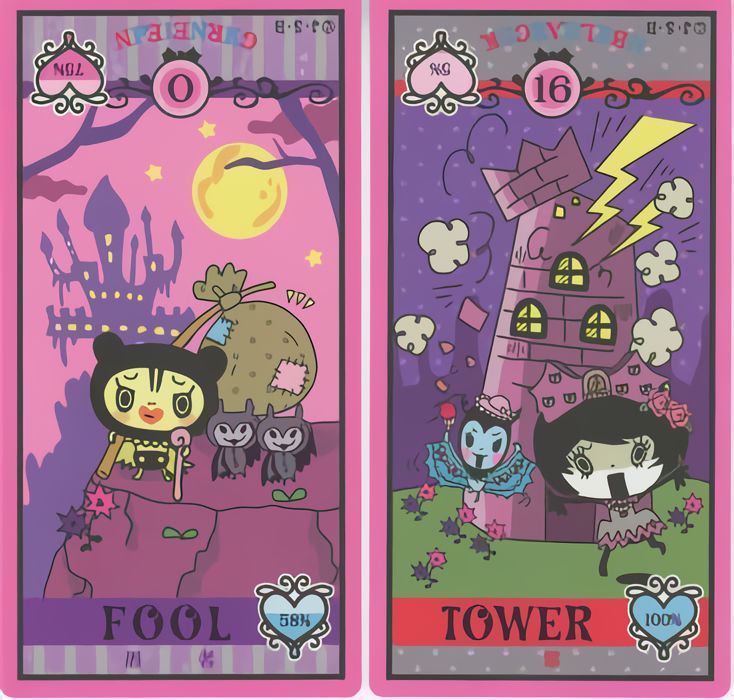
The Fukoumori Upscaled Tarot Cards are a reconstructed digital archive derived from the tarot
illustrations of the artist Fukoumori. The collection consists of enhanced reproductions created
through modern image restoration and upscaling techniques, preserving visual details that are
often lost in compressed online distributions and secondary repostings.
The archive functions as a preservation project rather than an original publication. By assembling
and restoring dispersed card imagery, the collection provides a consolidated visual record of
Fukoumori's distinctive tarot interpretations, characterized by atmospheric compositions, symbolic
figures, and contemporary fantasy-influenced iconography.
DIGITAL TAROT ARCHIVE
RECONSTRUCTED IMAGE COLLECTION — FUKOUMORI
TYPE
TAROT CARD COLLECTION
ARTIST
FUKOUMORI
FORMAT
UPSCALED DIGITAL ARCHIVE
STATUS
RECONSTRUCTED VISUAL RECORD
SOURCE
DISTRIBUTED ONLINE IMAGERY
CLASSIFICATION
TAROT DOSSIER FILE
NOTE: This entry catalogs an upscaled preservation archive of tarot illustrations attributed
to Fukoumori. The collection is treated as a reconstructed visual repository assembled from
circulating digital images rather than a single formally published deck edition. Restoration
and enhancement processes were employed to improve legibility and preserve artwork details.
ARCHIVE ENTRY 0007 — SUN ANGEL
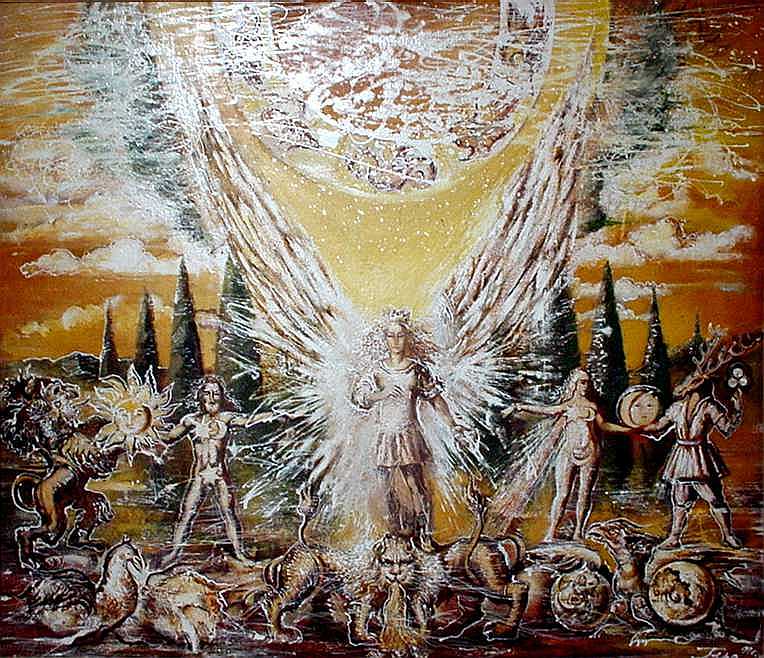
Sun Angel is a visionary painting by Natalia Gerasimenko, an artist associated with contemporary
symbolic and spiritually oriented visual work. The piece centers on an angelic solar figure,
rendered through luminous tonal gradients and ethereal composition, evoking themes of illumination,
transcendence, and metaphysical presence.
The work is situated within modern visionary art practices where celestial archetypes are used as
vehicles for introspective and symbolic interpretation. Sun Angel emphasizes radiant light as a
structural and thematic element, constructing a visual language aligned with mystical and
archetypal traditions rather than narrative representation.
VISIONARY ART INDEX
CONTEMPORARY VISIONARY PAINTING — NATALIA GERASIMENKO
TYPE
VISIONARY PAINTING
ARTIST
NATALIA GERASIMENKO
SUBJECT
ANGELIC / SOLAR FIGURE
THEME
SOLAR ILLUMINATION
STATUS
CONTEMPORARY ARTWORK
CLASSIFICATION
VISIONARY DOSSIER FILE
NOTE: This entry records Sun Angel as a contemporary visionary artwork emphasizing symbolic
celestial imagery. The painting is catalogued within the archive as a modern esoteric visual
study of light, form, and archetypal angelic presence.
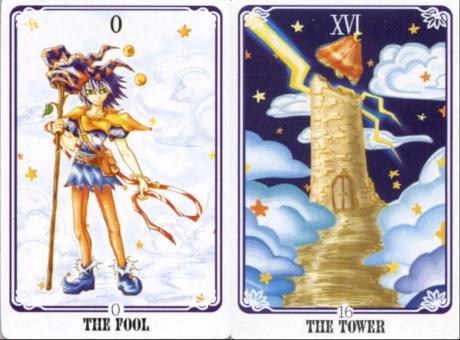
ARCHIVE ENTRY 0006 — SLUMBERLAND TAROT
The Slumberland Tarot is a contemporary esoteric tarot deck attributed to the Korean artist Hemon.
The work is associated with dreamlike visual languages, blending surreal illustration traditions
with modern occult reinterpretation. It is often described as a liminal tarot system centered on
subconscious landscapes, symbolic thresholds, and fragmented narrative imagery.
Unlike reconstructed historical decks preserved through archival fragments, the Slumberland Tarot
exists primarily as a modern artistic publication. Its circulation is tied to illustrated editions
and collector prints rather than manuscript transmission, positioning it within contemporary
global tarot design culture emerging from East Asian independent art scenes.
CONTEMPORARY TAROT INDEX
ARTIST PUBLICATION — HE MON (KOREA)
TYPE
CONTEMPORARY TAROT DECK
ARTIST
HEMON
ORIGIN
SOUTH KOREA
STYLE
SURREAL / DREAM ICONOGRAPHY
STATUS
MODERN ART DECK
CLASSIFICATION
ILLUSTRATED TAROT SYSTEM
NOTE: The Slumberland Tarot is treated in this archive as a contemporary artistic tarot system.
Its structure and imagery are defined by modern illustration practice rather than historical
esoteric reconstruction, emphasizing subjective dream logic and visual symbolism.
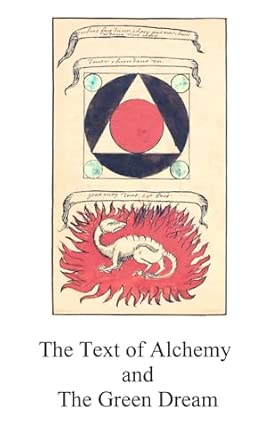
ARCHIVE ENTRY 0005 — THE TEXT OF ALCHEMY AND THE GREEN DREAM
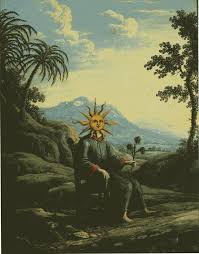
The Text of Alchemy and the Green Dream is an alchemical treatise preserved within the Western hermetic tradition and traditionally associated with Bernard of Treviso. The work combines direct discussion of alchemical principles with a visionary allegorical narrative in which symbolic figures, crystalline architecture, and enigmatic names serve as vehicles for communicating concealed philosophical concepts.
The text is notable for its dual structure. The first portion discusses the nature of transformation, perfection, and the Philosopher's Stone, while the Green Dream presents these themes through a symbolic dream vision. Because of its layered imagery, the work has been interpreted as a guide to laboratory alchemy, a spiritual allegory, and a philosophical meditation on the hidden operations of nature.
ATTRIBUTION
BERNARD OF TREVISO (TRAD.)
DATE
EARLY MODERN PRINT TRADITION
TYPE
ALCHEMICAL TREATISE
SUBJECT
PHILOSOPHER'S STONE
STRUCTURE
TREATISE + DREAM VISION
CLASSIFICATION
HERMETIC DOSSIER FILE
NOTE: The Green Dream is regarded as one of the more symbolic dream narratives within alchemical literature. Its imagery of a jeweled giant, crystalline city, and hidden names has generated interpretations ranging from encoded laboratory processes to spiritual initiation and philosophical allegory. The archive catalogs the work as a hybrid alchemical and visionary document.
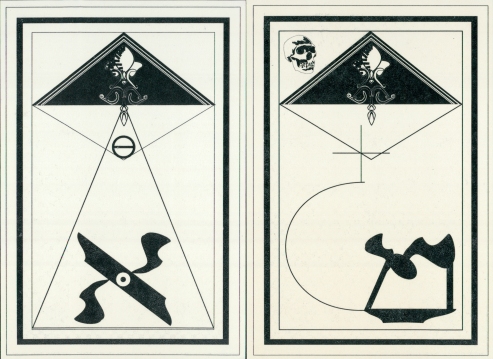
ARCHIVE ENTRY 0004 — SIRIUS TAROT
The Sirius Tarot is an esoteric tarot publication associated with late modern occult print culture and symbolic reconstruction traditions. Like many reconstructed decks, it circulates primarily through partial reproductions, cover scans, and secondary archival listings rather than a single standardized commercial edition.
The deck is frequently categorized within astrological and stellar-aligned tarot systems, with “Sirius” functioning as a symbolic reference to the fixed star Sirius in esoteric cosmology. Surviving material is largely limited to book cover scans and collector documentation rather than a complete digitized card set.
DOSSIER COVER IMAGE
STELLAR-BASED OCCULT TAROT — PARTIAL ARCHIVAL RECORD
TYPE
TAROT / ASTROLOGICAL CARD SYSTEM
SYMBOLIC BASIS
SIRIUS FIXED STAR TRADITION
STATUS
FRAGMENTARY / CIRCULATING PRINTS
FORMAT
RECONSTRUCTED DECK DOCUMENTATION
SOURCE MATERIAL
COVER SCANS / COLLECTOR ARCHIVES
CLASSIFICATION
ESOTERIC TAROT DOSSIER FILE
NOTE: This entry is based on limited visual documentation. No complete standardized card index is currently held in the archive. The Sirius Tarot is treated as a distributed symbolic object rather than a fully preserved deck.
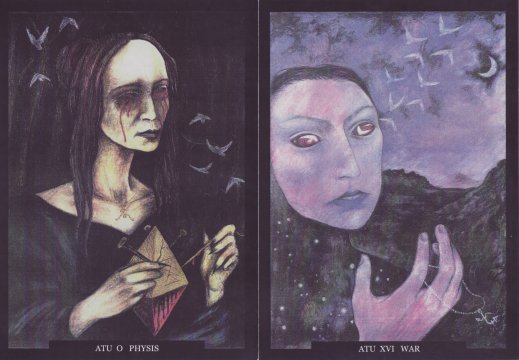
ARCHIVE ENTRY 0003 — SINISTER TAROT (RECONSTRUCTED DOSSIER)
The Sinister Tarot is a modern esoteric card system attributed to Christos Beest, associated with the Order of Nine Angles current. The deck diverges from standard tarot structure, consisting of a reduced arcana set and court classifications rather than the traditional 78-card format.
Surviving references to the deck exist in fragmented form across limited print editions, secondary reproductions, and scattered digital imagery. No single authoritative digital archive exists; instead, the deck is reconstructed through partial visual records and collector documentation.
DOSSIER COVER IMAGE
SCATTERED ARCHIVAL MATERIAL — NO CENTRALIZED FILE
TYPE
TAROT / OCCULT CARD SYSTEM
STRUCTURE
34-CARD REDUCED ARCANA
ATTRIBUTION
CHRISTOS BEEST
AFFILIATION
ORDER OF NINE ANGLES (CIRCLE)
STATUS
DISTRIBUTED / FRAGMENTARY
CLASSIFICATION
RECONSTRUCTED DOSSIER FILE
NOTE: This entry does not represent a complete or canonical publication. The Sinister Tarot survives only through partial reproductions and secondary references. The archive treats it as a distributed artifact rather than a singular recoverable deck.
ARCHIVE ENTRY 0002 — CLAVIS ARTIS
Clavis Artis is an illustrated alchemical manuscript preserved in several eighteenth-century copies, the most widely known being the Trieste manuscript (Ms-2-27) held in the Biblioteca Civica Attilio Hortis. The work is attributed pseudonymously to “Zoroaster” and consists of a sequence of richly illustrated folios depicting symbolic transformations, celestial figures, and allegorical alchemical processes rooted in early modern European hermetic traditions.
The archive entry is compiled from digitized manuscript folios available through the Wikimedia Commons collection, which hosts scanned pages from the surviving manuscript volumes. These images provide access to the visual structure of the original codex, including its layered symbolic diagrams and instructional sequences.
ATTRIBUTION
PSEUDO-ZOROASTER
DATE
c. 1700–1738
LANGUAGE
GERMAN
TYPE
ALCHEMICAL MANUSCRIPT
SOURCE
WIKIMEDIA COMMONS
MATERIAL
TRIESTE MS-2-27
NOTE: This entry references digitized manuscript folios rather than a single codex file. The Clavis Artis tradition survives through illustrated scans, which collectively reconstruct the visual and symbolic structure of the original manuscript. Users are directed to the Wikimedia Commons archive for full folio access.
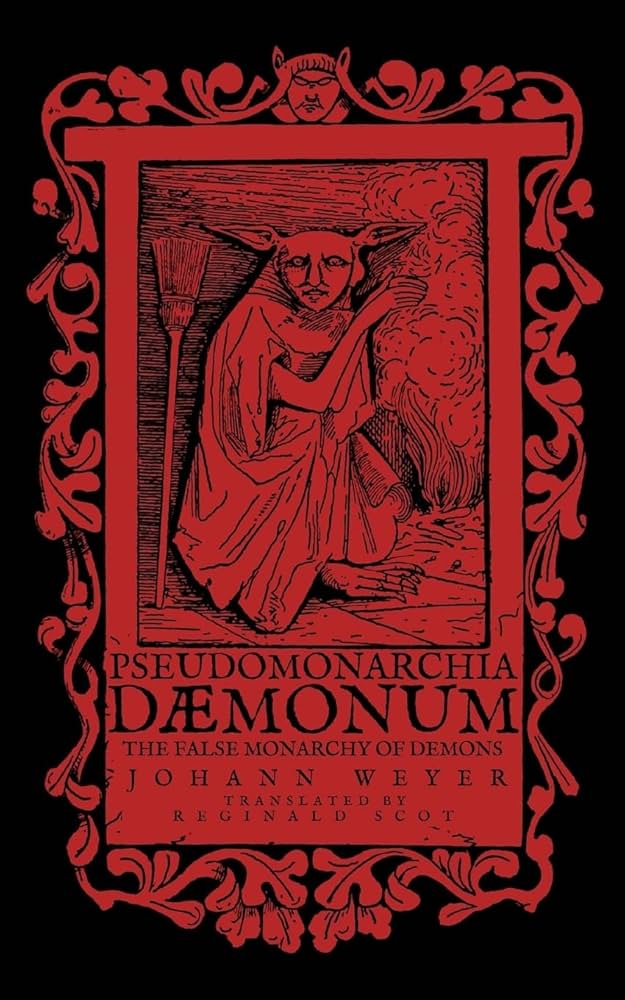
ARCHIVE ENTRY 0001 — PSEUDOMONARCHIA DAEMONUM
A 16th-century Latin catalog of demonic figures attributed to Johann Weyer (1563). This text functions as an early modern classification system of infernal names, later influencing the Ars Goetia tradition in the Lemegeton cycle.
AUTHOR
JOHANN WEYER
DATE
1563
LANGUAGE
LATIN
TYPE
DEMONOLOGICAL CATALOG
SOURCE
ESOTERIC-ARCHIVES ARCHIVE
ACCESS
pseudomonarchia daemonum
NOTE: This document is primarily a descriptive taxonomy of named entities within early modern European demonological thought.